
[ubermenu config_id="main" menu="969"]
Days
Hours
Minutes
Seconds

Nathan Beste

When fiber optic cables and other underground conduits are damaged, a thorough investigation enables consistent documentation for reports. Hit kits facilitate this documentation and allow organizations to easily take measurements and photos of broken pipelines, electrical lines, and other buried utilities. 

If you need to use a hit kit and aren’t sure where to start, here are five easy steps you should follow.

Secure the Area

Before starting the damage assessment, it is essential to secure the excavation site to prevent further accidents and ensure safety. Start by evaluating the area for hazards — particularly focusing on nearby electrical lines that can pose significant risks. 

You should also make sure that any equipment is powered off and that any dangerous liquids or gasses are contained. This initial step not only safeguards those assessing the damage but also prevents the compounding of existing damage to buried conduits.

Place the Damage Marker

Once the area is secured properly, proceed by placing the high visibility damage marker as close to the point of impact as possible. This marker acts as a reference point for all subsequent measurements and documentation. 

To ensure that the damage marker fits tightly in place, take one of the spikes included in the hit kit and secure it. This spike helps it remain in one spot without being knocked over or relocated because of strong winds.

Place Down the Mark Posts

Next, take a mark post and place it on the closest locate or spray paint mark in a manner perpendicular to the damage. Surrounding this central point, walk along the locate line 10 feet in every direction and place the other posts on the nearest locate marks. This specific arrangement helps clearly define the affected area and is vital for subsequent steps in the root cause investigation.

Make Measurements

After setting up the markers, measure the distances from the central damage marker to each of the surrounding mark posts. Position the 0 of the ruler by the damage and extend it outward to the very first mark post you placed.

These measurements will accurately record damage, providing a quantitative baseline that aids in determining the extent of impact on pipelines and electrical lines. It is important to use a standard tool from the Rhino HIT Kit for this task to maintain consistent documentation across different assessments.

Document the Damage

Photography is an essential part of documenting damage to buried facilities. Take comprehensive photos from different angles to capture a clearer depiction of the damage. To make the process easier, pretend the damage is the center of the clock and take photos at the 3, 9, 10, and 12 o’clock positions from multiple distances.

Additionally, shots of above-ground utility structures should be included to offer a better perspective on how surface features may relate to underground damage. These images are invaluable for enhancing root cause investigations and can be critical in avoiding costly legal actions. Such thorough and consistent documentation is vital for root cause investigations and helps reduce unnecessary excavation in future projects.

To Learn More About Hit Kits, Call Us Today

By following these steps with the Rhino HIT Kit, one can record damage to buried facilities more effectively. 

At William Frick, we offer a variety of safety products like cable markers for utility and telecom, durable outdoor signs, and much more. Reach out today to order a safety marking product for your organization or facility.
Trident Solutions, Inc. (“Trident”) of Sherman, TX, would like to announce the acquisition of LEM Products Inc. (“LEM”). The acquisition closed on December 17th, 2021. River Associates and Trident worked diligently to complete the transaction in just under two months. Terms of the transaction are not being disclosed.

LEM is a Pennsylvania-based manufacturer of industrial identification products, including labels, tags, markers, decals, and signage. Founded in 1969, LEM’s products are used in a wide variety of end markets, including Electric, Power and Renewable Energy, OEM, Security, and Government. LEM will retain its current name and will continue operations, and support services at the manufacturing facility in Montgomeryville, PA.

“Trident is pleased to announce its recent acquisition of LEM Products,” said Lisa McGregor, CEO of Presco. “The addition of LEM is entirely aligned with Trident’s vision to become a leading source for safety marking, identification, and damage prevention solutions in the infrastructure, construction, and OEM markets. With its vertical integration, LEM brings a broad line of innovative products and manufacturing capabilities. The addition of LEM will provide Trident’s customers with a broader range of safety marking and identification solutions while expanding Trident’s geographical presence . The family of Trident of companies is looking forward to serving existing and new customers with the expanded products and manufacturing capabilities.”

“The team at LEM Products Inc. is thrilled at the opportunity to join the Trident family,” commented Maureen O’Connor, CEO, and President of LEM. “I am confident that this merger of two entities will continue to support our mission to provide our customers with unique industrial identification solutions and safeguard the level of excellence our customers have been accustomed to. This is not a step we take lightly, and we are eager for the next chapter of innovation and excellence with Trident.”

Together with its platform company, Presco Polymers Opco, and previous acquisition of Pro-Line Safety Products (Pro-Line), William Frick (Frick), and Rhino Protection & Marking Systems (Rhino), Trident is a manufacturing based solutions provider of safety and requirements markings, identification and damage prevention products to infrastructure, construction, and OEM markets. The addition of LEM to the Trident family further supports a leading safety marking and identification products platform with superior scale and capabilities, improving Trident’s ability to serve as a “one-stop-shop” for these products with its customer base.

Formed in 1943, the platform company of Trident, Presco Polymers, manufactures safety marking products along with extruded engineered films and laminated products in a manufacturing facility in Sherman, TX. Pro-Line manufactures tracer wire and safety marking products, including detectable and non-detectable tapes for underground marking and locating. William Frick is a manufacturer and value-add reseller of specialty labeling and marking products. Rhino manufactures marker posts and other related damage prevention products, including surface markers, decals, and signage to a wide variety of end markets.

Trident’s management team continues to seek complementary strategic acquisition partners. Trident Solutions is a portfolio company of River Associates Investments, a longstanding lower middle-market private equity firm based in Chattanooga, TN.

Presco Polymers Opco, Inc. (“Presco”) announced the formation of “Trident Solutions” to better represent its expanded portfolio of companies. The recent acquisition of Pro-line Safety Products, William Frick & Co., and Rhino Marking & Protection Systems, combined with the Presco Marking Products and Presco Engineered Films businesses, collectively form Trident Solutions.

Trident Solutions is a total solutions provider for safety identification and damage prevention products. Currently, Trident Solutions comprises four strong positioned industry leaders who are well respected in their marketplace(s). The creation of Trident Solutions will not impact the use of the current individual company names or functions. Branding efforts of the four companies will continue in conjunction with Trident Solutions.

“The companies that make-up Trident Solutions each have a powerful name in the industry, and we don’t want to do anything to take away from the brands,” said Clayton Chancy, Director of Marketing at Presco. “We created the name Trident Solutions as an umbrella brand that will be used to reference all companies in the expanded portfolio. We will continue to grow each company brand in addition to the Trident Solutions trademark.”

“Trident Solutions was created as an overarching parent brand to represent the combined products and services from existing, well-positioned and respected brand offerings inherent at each of the portfolio companies,” said Lisa McGregor, CEO of Trident Solutions. “The intention is to promote the growth of the combined entities through a synergistic cross-selling, product and market expansion approach while maintaining a solid connection and unified direction within the expanded team members.”

Formed in 1943, Presco manufactures safety marking products and extruded engineered films and laminated products in two dedicated manufacturing facilities in Sherman, Texas. These facilities house custom compounding and extrusion lines and over twenty custom stake flag and tape converting lines for Safety Marking Products. Pro-Line, a late 2019 Presco acquisition, manufactures tracer wire and safety marking products, including detectable and non-detectable tapes for underground marking and locating. William Frick, a late 2020 acquisition, is a manufacturer and value-added reseller of specialty labeling and marking products for the utility, OEM, aerospace, logistics, and asset management industries. Rhino, an early 2021 acquisition, is a Minnesota-based manufacturer of marker posts and related damage prevention products, including surface markers, decals, and signage.

For more details on Trident Solutions, you can visit, www.TridentProducts.com

Presco’s management team continues to seek complementary strategic acquisition partners for the company. Presco is a portfolio company of River Associates Investments, a longstanding lower middle-market private equity firm based in Chattanooga, Tenn.

What are barcode labels?

Barcode labels are often attached to a particular item with a barcode sequencing that is unique to that product, service, or facility’s needs. Barcode labels supply crucial data for the monitoring of goods and services as well as recognizing shipment details, order information, and general order tracking during transit. There are many different variations of barcode labels, but they all can be easily scanned and provide consumers with complete product visibility. Some barcode labels are affixed by way of super adhesive backing, while others are made from metal for extreme durability and abrasion resistance. The world of barcode labels is vast, and so are the industries that utilize their many benefits.

How do Barcode Labels work?

There are very few places that you can go these days that do not have items for sale with barcodes. Barcode labels are used throughout many industries to provide quick, up-to-date information at the wave of a hand. The bars and spaces that comprise the barcode’s unique identifier on the label contain specific data related to the item it is attached to, such as price, availability, logistics, patient information, etc. Once an item is scanned with a barcode reader, the information is conveyed to a POS (Point of Sale) or asset tracking system that relays the receiver all the available data on that product being scanned.

What are the benefits of barcode labels?

Accuracy– Any company, warehouse, or other facilities that rely on the human touch to input data, is at significant risk for information errors. To put this into perspective, on average, people make at least 1 error within every 300 characters they write, which means they are making about 18 mistakes each hour.

Safety– Imagine being in the medical field and facilitating hundreds of blood samples each day. Keeping track of that many patients and multiple vials of blood would be completely unmanageable without barcoding, not to mention unsafe. By attaching cryogenic labels to blood vials, a patient’s blood type, draw date, etc., can be immediately accessed by medical staff to ensure patient safety.

Security– According to a study by Statistic Brain, employee theft is costing U.S businesses $50 billion annually. What is even more surprising is that 75% of employees admit that they have stolen at least one time from an employer. By adding barcode labels such as these multilayer holographic security seals to your high-end products, you can add an extra layer of security to your bottom line.

Efficiencies– Whether it is logistics, inventory tracking, availability, location, or simply maintaining accurate historical data, barcoding labels and systems are ideal for increasing productivity and leveraging resources effectively. In addition, having a bird’s eye view of the details of your asset eliminates unnecessary time expenditures on menial tasks such as manual data collection, audits, and reorders.

Industries utilizing barcode labels

Retail- Barcode labels in the retail industry are imperative to keeping track of inventory, availability, and pricing. You will be hard-pressed to find a retail outlet that isn’t using barcode labels for quick, error-free data transmission to their POS (Point of Sales) systems.

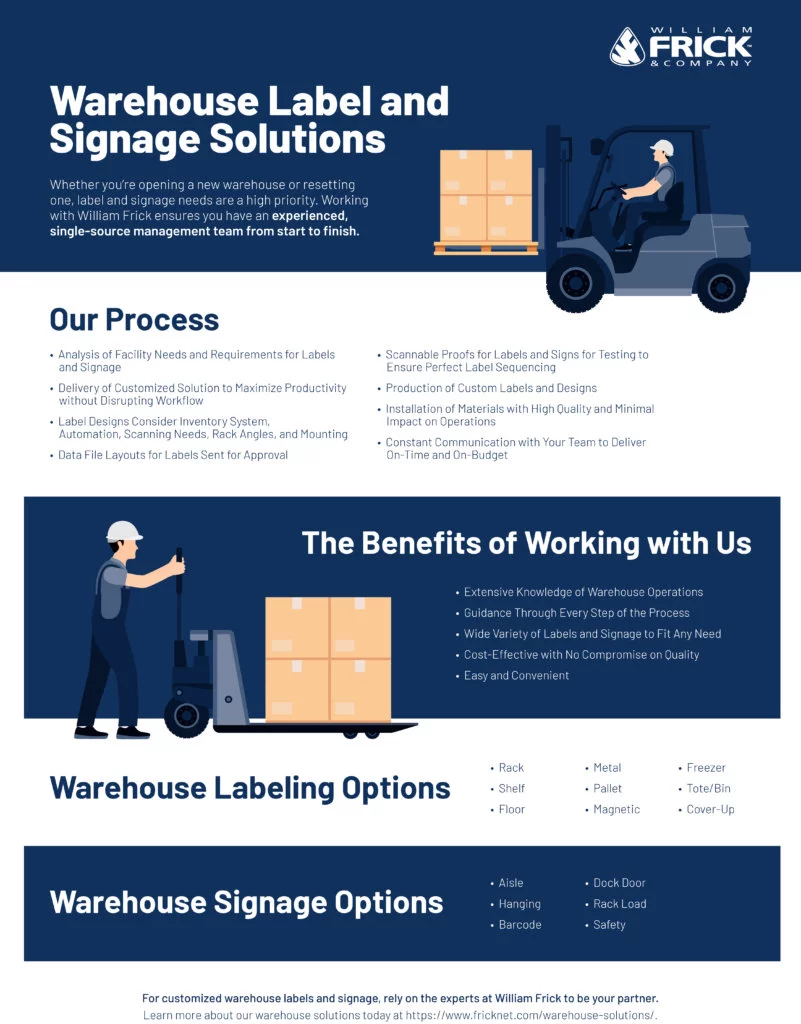
Warehousing- Warehouse labelsare necessary for eliminating errors that arise from manual inventory processes. By applying these barcode labels, employees have immediate access to inventory identity, item location, aisle, packing requirements, and shipping locations. By taking the guesswork out of the scenario, you can increase efficiencies and reduce human error.

Hospitals- As mentioned earlier, barcode labels are a critical resource for the medical industry. With the ability to label blood vials, patient medications, and medical packages with vital information, miscommunicated data is eliminated, and patient safety is a priority.

Banking- Barcoding is used across financial institutions globally.Whether it is for mobile banking, loan documentation processing, asset tracking, trust documents, and so much more, by using barcoding labels to streamline these financial processes, you can reduce the risk of fraudulent activities and put client relationships first and foremost.

Transportation– One of barcoding’s most significant accomplishments is within the shipping and logistics sector. Shipping times, load planning, scheduling routes, and consistency are the key to successfully optimizing your shipping processes. All of these practices can be easily accommodated by investing in a simple barcoding labeling system.

Barcode labels are a necessary means by which businesses can effectively manage time, assets, theft rates, and so much more. To find out more about how barcode labels can give your company the cutting edge, visit us at www.fricknet.com.

William Frick & Company is one of the Nation’s most trusted suppliers for customized safety signs and labels within the utility and telecom, healthcare, OEM, and warehouse industries. By adequately labeling potential hazards in and around the workplace, you are not only saving lives, but you are significantly reducing the number of lawsuits, workman’s compensation claims, and ultimately the impact on your bottom line. Of course, as the adage goes, “not all products are created equal,” so let’s take a peek at what sets William Frick’s Weathertuff ™ weatherproof labels apart from the competition.

What are Weathertuff ™ Weatherproof labels?

Have you ever been taking a casual stroll through your neighborhood and noticed that the transformer box at the end of the road had been outfitted with a large label indicating the potential safety hazards associated with tampering with that big green box? This is just one way that Weathertuff ™ labels can be used to eliminate potential mishandling in everyday life. Like this particular instance, labels like these are used to outline hazards associated with heavy machinery, nuclear power facilities, chemical processing plants, and manufacturing industries.

Why should I choose Weathertuff ™ weatherproof labels for my business needs?

William Frick’s weatherproof labels stand out in all areas of quality, performance, and endurance. These labels go through extensive real-time climate and laboratory evaluations to test for abrasion resistance, UV exposure, waterproofing, hazardous climate shifts, and chemical resilience. As a result, waterproof labels are great for products and projects that require durability and moisture protection. Equipped with high-performance, permanent adhesive backing, these labels can hold up to a wide range of outdoor climates and weather conditions.

OSHA has updated the requirements for labeling hazardous chemicals under its Hazard Communication Standard (HCS). All labels are required to have pictograms, a signal word, hazard and precautionary statements, the product identifier, and supplier identification. (source: www.osha.gov)

Can I customize my Weathertuff ™ weatherproof labels?

Absolutely! Our water-resistant labels are available in a variety of colors, shapes, and sizes. Additionally, each outdoor label can be enhanced with fixed or variable data such as barcodes, QR codes, serialization, and RFID. Want to put your company’s logo and phone number on your weatherproof label? Not a problem, reach out to customers by utilizing William Frick’s customization options.

Outdoor Labels and signage are some of the simplest solutions to many potential safety pitfalls in industrial applications. However, don’t place your bets on a label that hasn’t been tested to withstand the elements. As a trusted supplier to OEM’s, logistics, and telecommunications industries, William Frick knows that proper safety identification saves lives and promotes a safety-oriented mindset among your employees. Visit us online to request a free sample booklet, or to try out our Weathertuff ™ Selection tool, to find out what type of weatherproof label would best suit your next project.